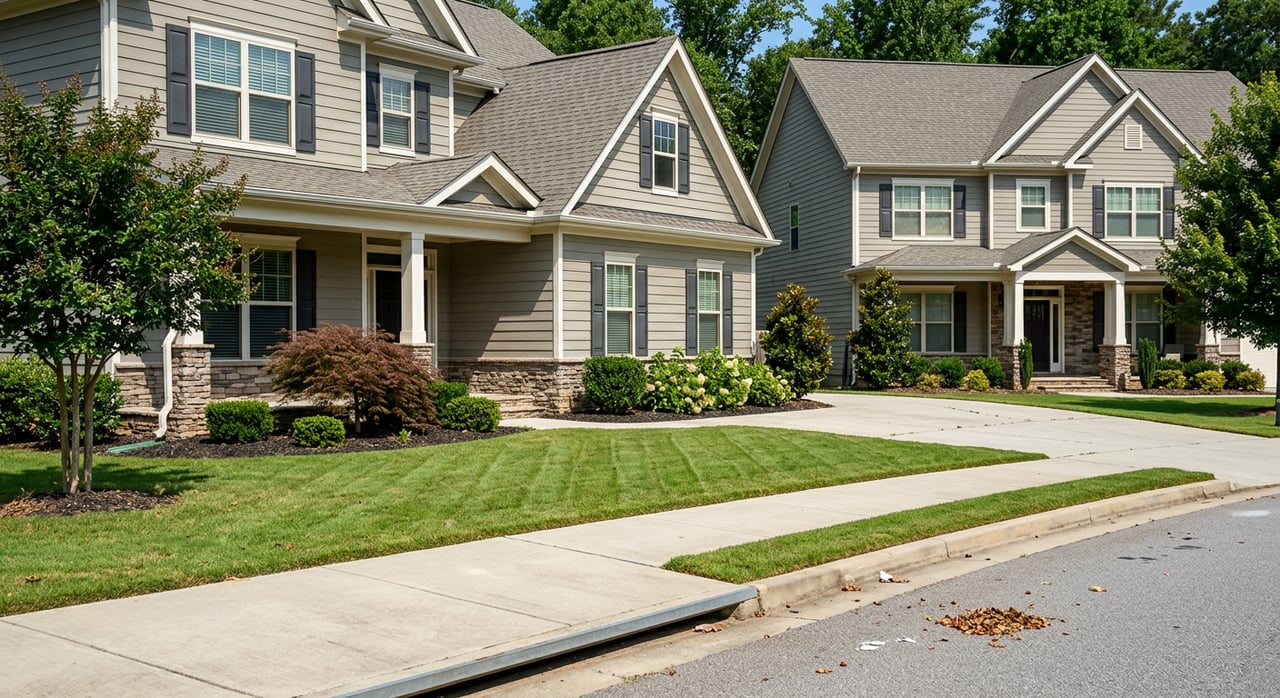
Curious if a brand-new home in Wake Forest is right for you? You might love the idea of modern design, energy efficiency, and choosing your finishes, but you also want clear answers on timing, HOAs, and how builder contracts work in North Carolina. In this guide, you’ll get a grounded look at Wake Forest’s new-construction scene, the top communities to watch, what to expect from builders, and how to navigate the process with confidence. Let’s dive in.
Why build new in Wake Forest
A new home gives you current layouts, efficient systems, and the chance to personalize finishes. Many production builders back their homes with layered warranties that commonly follow a 1-2-10 pattern, which helps reduce near-term repair risk. You can read more about structural coverage through providers such as 2-10 Home Buyers Warranty. Learn how 1-2-10 coverage typically works.
You may also see builder incentives that improve affordability. Promotions often include rate buydowns, closing cost help, or design credits, and they vary by phase and market conditions. For a local example of how incentives are presented, review Drees Homes promotions for Meadow at Jones Dairy.
Keep in mind that choosing new construction involves a timeline. The national average build time for single-family homes in 2023 was about 10 months from permit to completion, and local build cycles often run 6 to 12 months for made-to-order homes. See the NAHB analysis of 2023 build times.
Snapshot of Wake Forest communities
Wake Forest and nearby Rolesville offer a range of new-home options through national and regional builders. Pricing typically runs from the high $200Ks to $300Ks for entry-level and some townhome product, up through the mid or high $400Ks to $900Ks-plus for larger single-family and luxury collections. Pricing, availability, and phases change quickly, so always confirm live details on the builder’s official page for the specific community.
Rosedale by Lennar
Rosedale showcases multiple collections within a master-planned setting, with amenities planned and distinct product tiers that influence pricing and finishes. Lennar is known for packaging many popular features as standard in its “Everything’s Included” approach. For a sense of standard inclusions and Lennar’s Raleigh offerings, browse Lennar’s Raleigh area homes.
The Reserve at Prestleigh by D.R. Horton
D.R. Horton is building multiple plans across phases that include single-family homes and townhomes, plus neighborhood amenities. Collections often range from entry to more feature-rich series, which affects lot size, finishes, and price. Check current plans and availability on D.R. Horton’s Reserve at Prestleigh page.
Meadow at Jones Dairy by Drees Homes
Close to Jones Dairy Road, this community offers single-family and townhome options, with features like trails and pools listed by the builder. Drees also runs periodic move-in promotions that can help with closing costs or upgrades. Explore plans and current offers on Drees Homes’ Meadow at Jones Dairy.
Sage on North Main by Davidson Homes
Near downtown Wake Forest, Sage on North Main is a good example of in-town, smaller-lot product with modern layouts and proximity to local amenities. You’ll often see compact lots here compared with master-planned outer sections, so review site plans closely. See the builder’s details for Sage on North Main.
Radford Glen by Taylor Morrison
Taylor Morrison is building traditional floor plans with neighborhood amenities in Wake Forest. Availability and features shift by phase, so request the most recent lot map, standard features list, and HOA details directly from the onsite team.
Preserve at Jones Dairy by KB Home (Rolesville)
Rolesville communities are commonly marketed to Wake Forest buyers due to their close-in location. KB Home highlights ENERGY STAR features and personalization options at Preserve at Jones Dairy. Read the builder’s announcement for Preserve at Jones Dairy.
What builders include
Product tiers and collections
Most large builders group homes into tiers. Entry collections usually offer smaller lots and a leaner set of included finishes. Mid-level collections fold in more features or larger lots. Signature or estate tiers increase base finishes and site size, which can push pricing higher. You can see how collections differ in plan mix and amenities on D.R. Horton’s Prestleigh overview.
Standard features and upgrades
Expect many Wake Forest new builds to include open-concept layouts, energy-efficient windows and HVAC, and stainless appliances. Builders often add smart-home prewiring or devices, and some brands package popular finishes as standard. For example, Lennar markets an “Everything’s Included” approach across many plans in the Raleigh area. Browse Lennar’s local offerings to get a feel for standard features.
If you are building from a lot, you will select structural options at contract and choose finishes at a later design appointment. Deadlines are firm, and change orders can add cost. For a helpful overview of best practices when buying new construction, review this guide to new construction do’s and don’ts.
Warranties
Reputable production builders commonly include layered protection that resembles a 1-year workmanship warranty, a 2-year systems warranty, and a 10-year structural warranty. Ask for the written warranty booklet and confirm claim procedures after closing. For context on structural coverage, see 2-10’s warranty resources.
Costs and carrying items to plan for
- HOA dues. Many new communities have HOAs that care for amenities like pools, cabanas, trails, and green space. Dues vary widely by amenity level and even by collection within a master plan. Always request the latest HOA budget, CC&Rs, and any architectural guidelines during your due diligence period, and confirm whether streets are private or public.
- Taxes. The Town of Wake Forest adopted a property tax rate of $0.42 per $100 of assessed value for FY 2025 to 2026, which is the town portion only. County taxes are separate through Wake County. You will want to calculate the combined rate for an accurate monthly estimate. Read the town’s FY 2025–26 budget update.
- Lot sizes. In many in-town or smaller-lot collections, lots often range near 0.12 to 0.2 acres, while master-planned or estate sections can be larger. Always review the recorded plat or site plan for exact dimensions and setbacks.
- Utilities and tap fees. Ask whether water and sewer taps are included, confirm any one-time fees, and verify whether trash and recycling are covered by the HOA or town.
The buying process in North Carolina
Typical sequence
Most new-construction purchases follow a predictable path:
- Get pre-approved. This clarifies your budget and helps you compare any builder-preferred lender incentives.
- Choose a community, plan, and lot. Your agent should register you with the builder and confirm any broker policies.
- Sign the purchase agreement. Builders may use their own contracts rather than the standard resale form.
- Pay deposits and set your design schedule. Structural options are chosen up front, with finishes selected later.
- Watch construction milestones. You will see foundation, framing, rough-ins, drywall, and finishes.
- Complete walkthroughs and punch list. Blue-tape inspections help document final items.
- Close and move in. Your builder will explain post-closing warranty claims.
For a practical overview of buyer do’s and don’ts with new builds, see this new construction guide.
Timeline expectations
For made-to-order homes, plan on 6 to 12 months from contract to completion, depending on weather, permitting, labor, and supply timelines. Nationally, the 2023 average from permit to completion was about 10 months. Quick move-in “spec” homes can close much faster, sometimes in 30 to 90 days if construction is complete. Review the NAHB summary of recent timing trends at Eye On Housing.
Contracts and due diligence in NC
In the Triangle, resale transactions typically use North Carolina’s Standard Form 2-T, which includes a negotiated Due Diligence Fee and a set Due Diligence Period. Builders often use their own contracts and deposit schedules that differ from the resale form. Delivery deadlines are strict, so have a local agent or attorney review the documents before you sign. For background on how NC’s due diligence framework works, see the NCREC bulletin archive.
Inspections and representation
Onsite sales agents represent the builder. You should have your own buyer’s agent to protect your interests, track deadlines, and coordinate independent inspections. Many buyers hire third-party inspectors for a pre-drywall check and a final inspection even on new homes. For more on best practices, read this overview of new-construction buyer tips.
New construction vs resale
Key advantages of new builds
- Lower near-term maintenance. New systems, appliances, and energy packages can reduce surprise repairs. Layered warranties provide added peace of mind. See 2-10’s warranty overview.
- Personalization. If you purchase early in a phase, you can often choose finishes and sometimes structural options. Incentives can help offset costs. View a local example of builder incentives from Drees Homes.
Potential tradeoffs to consider
- Timing. Build cycles can run 6 to 12 months or more. If your move date is fixed, look at spec homes or consider resale. Review national build-time trends.
- Neighborhood maturity. Brand-new areas may have less tree cover and fewer nearby shops in the short term, and construction activity can increase noise and traffic during early phases. Here is a local look at where new homes are rising and how that growth unfolds: new homes rising in Wake Forest.
- Pricing structure. Base prices and upgrade costs are set by the builder. Negotiation often focuses on lot premiums, closing concessions, and incentives rather than big cuts to the base price. A local buyer’s agent can help you compare options and advocate for value. For practical tips, see this new construction guide.
Smart steps before you sign
- Get everything in writing. Ask for the community’s current standard features list, HOA documents, and the warranty booklet for your specific plan.
- Verify schools by address. Wake County Public School System assignments change over time. Use the WCPSS Student Assignment address lookup rather than relying on listing notes.
- Confirm your timeline. Request a milestone calendar from the builder, including estimated start, framing, drywall, and completion dates. Build in a buffer.
- Plan inspections. Schedule an independent inspector for pre-drywall and final. Ask your agent to attend and help document punch-list items.
- Compare incentives. If the builder offers closing cost or rate incentives with a preferred lender, have your lender run a side-by-side comparison so you can see the net impact.
How I help you build with confidence
Building a home is exciting, but it comes with many moving parts. As your buyer’s agent, I register you properly with the builder, clarify deposit rules, and help you compare lots, plans, and incentives across communities. I coordinate key milestones and third-party inspections, keep an eye on deadlines, and advocate for punch-list items before closing. Through Long & Foster’s network, I can connect you with trusted mortgage, title, insurance, and inspection partners for a smoother, end-to-end experience.
If you are relocating, I will provide virtual tours, weekly progress check-ins, and local context so you feel confident from a distance. Whether you want an in-town lot near downtown Wake Forest or a larger homesite in a master plan, you will have a calm, data-informed guide by your side.
Ready to explore new construction in Wake Forest with a trusted local advisor? Let’s talk about your timeline, budget, and top communities. Schedule your consult with Caroline Numbers.
FAQs
How long does a new home take to build in Wake Forest?
- For made-to-order builds, plan on 6 to 12 months, while the 2023 national average permit-to-completion time was about 10 months. See NAHB’s timing analysis.
Do I need inspections for a brand-new home?
- Yes. Many buyers order independent pre-drywall and final inspections, then use the builder’s warranty process for follow-up items. Review new construction buyer tips.
Should I use a buyer’s agent when purchasing new construction?
- Yes. Onsite sales reps represent the builder. A local buyer’s agent protects your interests, registers you correctly, and coordinates inspections and deadlines. See this overview of new-build best practices.
How do HOA fees work in new Wake Forest communities?
- Dues vary by amenities and by collection within a master plan. Always request the HOA budget and CC&Rs, and confirm what the fees cover and whether streets are public or private.
What is the current Wake Forest town property tax rate?
- The adopted town rate for FY 2025 to 2026 is $0.42 per $100 of assessed value, not including county taxes. Read the town’s budget announcement.
How are school assignments handled for new neighborhoods?
- School assignments are set by address and can change as boundaries update. Verify any property’s base school using the WCPSS Student Assignment address lookup.
Can I move sooner with a spec or quick move-in home?
- Often yes. If construction is complete or near completion, closings can happen in roughly 30 to 90 days, subject to builder and lender timelines.