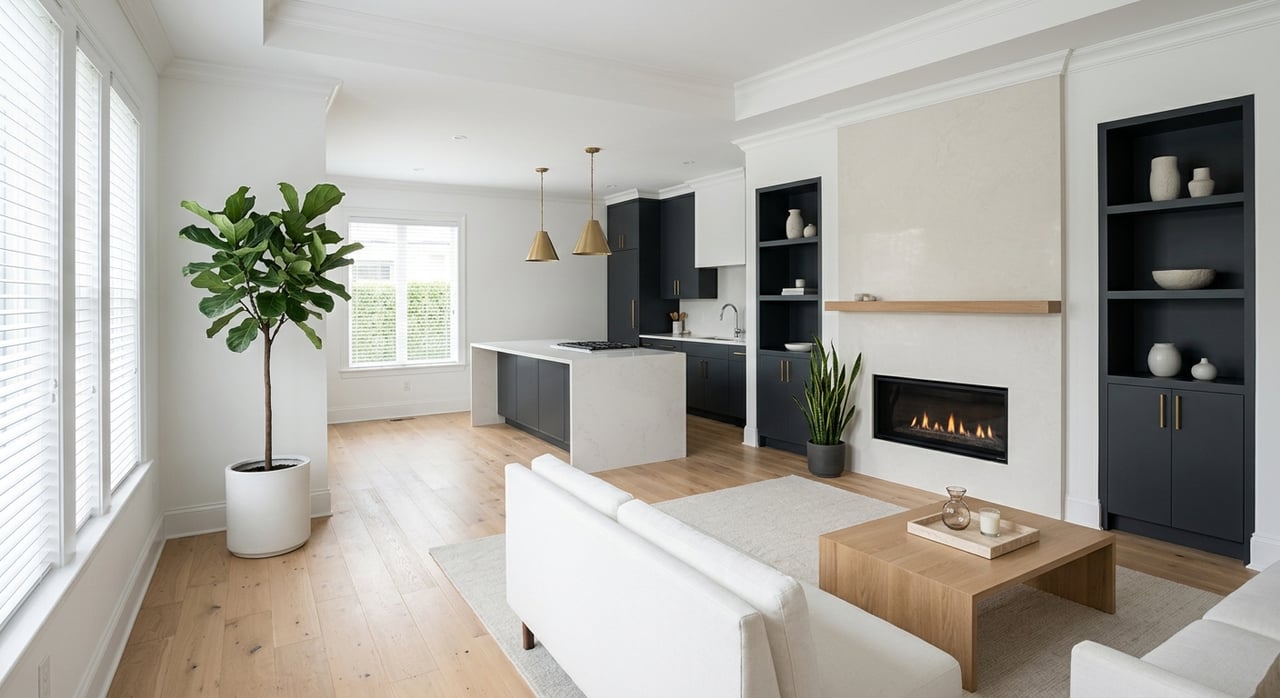
If you are getting ready to sell, you probably want a simple answer: How long will it take? In Wake Forest, the honest answer is that selling is still moving, but not at the speed many sellers got used to a few years ago. The good news is that when you understand the real timeline, you can plan better, reduce stress, and make smarter decisions from day one. Let’s dive in.
The short answer for Wake Forest sellers
A practical estimate for many Wake Forest sellers is about 2 to 4 months from first prep to recorded closing. That total timeline often includes getting the home ready, going live on the market, negotiating an offer, and making it through the contract-to-closing process.
That does not mean every sale takes the same amount of time. A well-prepared, well-priced home can move faster, while a home that needs repairs, has pricing issues, or runs into financing or title delays can take longer.
What the Wake Forest market looks like now
Current public market trackers show Wake Forest sitting in a roughly 50 to 80 day range from listing to contract or sale, depending on the source and the month measured. Redfin’s Wake Forest housing market data says homes sold in about 82 days in February 2026, received 2 offers on average, and had a median sale price of $470,000.
At the same time, Realtor.com’s current market page for Wake Forest reports a median of 52 days on market, 655 homes for sale, a median listing price of $547,300, and a 99% sale-to-list ratio. For broader context, WRAL reported that Wake County inventory was up 20.9% year over year and the county’s median days on market was 46 days in January 2026.
The takeaway is simple: Wake Forest is active, but it is not an instant-sale market. Pricing, presentation, and timing matter more than they did when nearly everything sold overnight.
The timeline starts before your listing goes live
Many sellers focus only on days on market, but a big part of the timeline happens before your first showing. If you want a smoother sale, this prep stage deserves real attention.
According to the National Association of Realtors 2025 staging research, the most common seller prep steps are decluttering, full-home cleaning, and improving curb appeal. The same report found that listing photos were much or more important 88% of the time, while videos and physical staging also played meaningful roles.
For many homes, a realistic pre-listing window is about 1 to 3 weeks. If your home needs paint, repairs, or staging, it may take longer.
What usually happens during prep
Before your home hits the market, you may need to:
- Declutter and depersonalize key spaces
- Complete a deep cleaning
- Tackle minor repairs
- Refresh paint where needed
- Improve curb appeal
- Schedule photography and any video marketing
- Finalize pricing strategy
This stage can feel slow when you are eager to list, but it often helps prevent a longer stretch on the market later.
Days on market is only one part of the story
When people ask how long it takes to sell, they often mean, “How long until I get an offer?” That phase is important, but it is not the whole timeline.
Once your listing is active, the goal is usually to get to an accepted offer as efficiently as possible. In Wake Forest, that timing can vary a lot based on condition, pricing, and buyer demand.
A home that is turnkey, priced well, and marketed clearly may attract strong interest quickly. A home that starts too high or looks unfinished online may sit longer and lose momentum.
Why pricing matters from day one
Local reporting from WRAL and current market data both point to the same pattern: homes need to be priced correctly and presented well from the start. In a balanced or somewhat competitive market, buyers have more options, and they are often willing to wait for the right fit.
That means overpricing can cost you time. It can also lead to price reductions later, which may weaken your negotiating position.
The contract period can vary the most
After you accept an offer, many sellers assume the hard part is over. In reality, the contract phase is often where timing becomes less predictable.
In North Carolina, the NC REALTORS Offer to Purchase and Contract guidance explains that the due diligence period is fully negotiable. There is no standard length. It should be long enough for inspections, appraisal, loan approval, and any other moving parts in the transaction.
That flexibility is helpful, but it also means one deal may move quickly while another takes more time. A buyer with straightforward financing and fewer concerns may stay on a tighter schedule. A buyer who needs extra lender review, additional inspections, or more decision time may extend the process.
What can affect the contract timeline
Several factors can slow or speed this stage up:
- Buyer financing and underwriting
- Inspection findings
- Repair negotiations
- Appraisal timing and value
- Title work
- Whether the buyer needs to sell another property
This is one reason your full timeline should include more than just the first offer date.
Closing often takes longer than sellers expect
One of the biggest surprises for sellers is that an accepted offer does not mean closing is right around the corner. There are still several steps to complete before the sale is final.
According to NC REALTORS closing guidance, North Carolina closings are attorney-managed. The settlement date is negotiable and should account for the buyer’s due diligence work, lender timing, any agreed repairs, title review, and the closing attorney’s process.
The same guidance notes that the settlement date is often a target rather than an exact guarantee. There may also be a permitted delay period of up to 14 calendar days when the parties are acting in good faith.
What happens between contract and closing
During this phase, the transaction may include:
- Inspections and follow-up negotiations
- Appraisal completion
- Final loan approval
- Title review by the closing attorney
- Payoff requests and required statements
- Final signing and recording
Buyers usually receive keys only after closing is fully complete. That is another reason sellers should build in a little cushion when planning a move.
What helps homes sell faster in Wake Forest
If your goal is to reduce delays, the best strategy is to front-load as much work as possible. The smoother your prep and contract process, the better your odds of keeping momentum.
The NAR staging report supports the basics: clean thoroughly, declutter, improve curb appeal, and use strong listing photos. Those are not flashy steps, but they matter.
On the closing side, an NC Real Estate Commission bulletin on successful closings notes that payoff statements and HOA statements can take 7 to 10 business days, so they should be requested early. The same bulletin also advises avoiding Friday and month-end closings when possible because delays are harder to absorb.
Smart ways to shorten your timeline
You can improve your chances of a smoother sale by:
- Finishing repairs before photos
- Scheduling staging and photography early
- Pricing with current market conditions in mind
- Keeping paperwork organized
- Requesting payoff and HOA documents early when needed
- Starting attorney and lender coordination quickly after contract
None of these steps can guarantee a certain closing date, but they can reduce preventable delays.
A realistic Wake Forest selling timeline
If you want a practical planning framework, this is a reasonable way to think about the process:
| Stage | Typical Timing |
|---|---|
| Pre-listing prep | About 1 to 3 weeks, sometimes longer |
| Active listing to accepted offer | Often about 52 to 82 days based on current local trackers |
| Contract to closing | Varies based on due diligence, financing, title work, and settlement timing |
That is why many ordinary financed sales in Wake Forest land in the 2 to 4 month range from prep to closing. Some will be faster. Some will take longer.
The bottom line for your sale
If you are selling in Wake Forest, the biggest mistake is assuming the market will do all the work for you. Buyers are active, but they are also more selective, and that makes your launch strategy important.
When you plan for prep time, price carefully, and stay ahead of the contract and closing details, you give yourself a better shot at a smoother sale. If you want a personalized timeline for your home, Caroline Numbers can help you map out the right pricing, prep, and next steps with concierge-level guidance from start to finish.
FAQs
How long does it take to sell a house in Wake Forest, NC?
- A practical estimate is often about 2 to 4 months from initial prep to recorded closing, though some homes move faster or slower depending on pricing, condition, financing, and closing details.
How many days are homes staying on the market in Wake Forest?
- Current public sources place Wake Forest in roughly a 52 to 82 day range on market or to sale, depending on the source and reporting period.
What affects how fast a home sells in Wake Forest?
- The biggest factors include pricing, condition, listing photos, buyer demand, inspection issues, appraisal results, financing, and title or closing logistics.
How long is the due diligence period in a North Carolina home sale?
- In North Carolina, the due diligence period is negotiable and there is no standard length, so the timeline depends on what the buyer and seller agree to in the contract.
What can sellers do to speed up a Wake Forest home sale?
- Sellers can often save time by decluttering, cleaning, improving curb appeal, completing repairs before listing, using strong photography, and starting payoff, HOA, attorney, and lender coordination early.