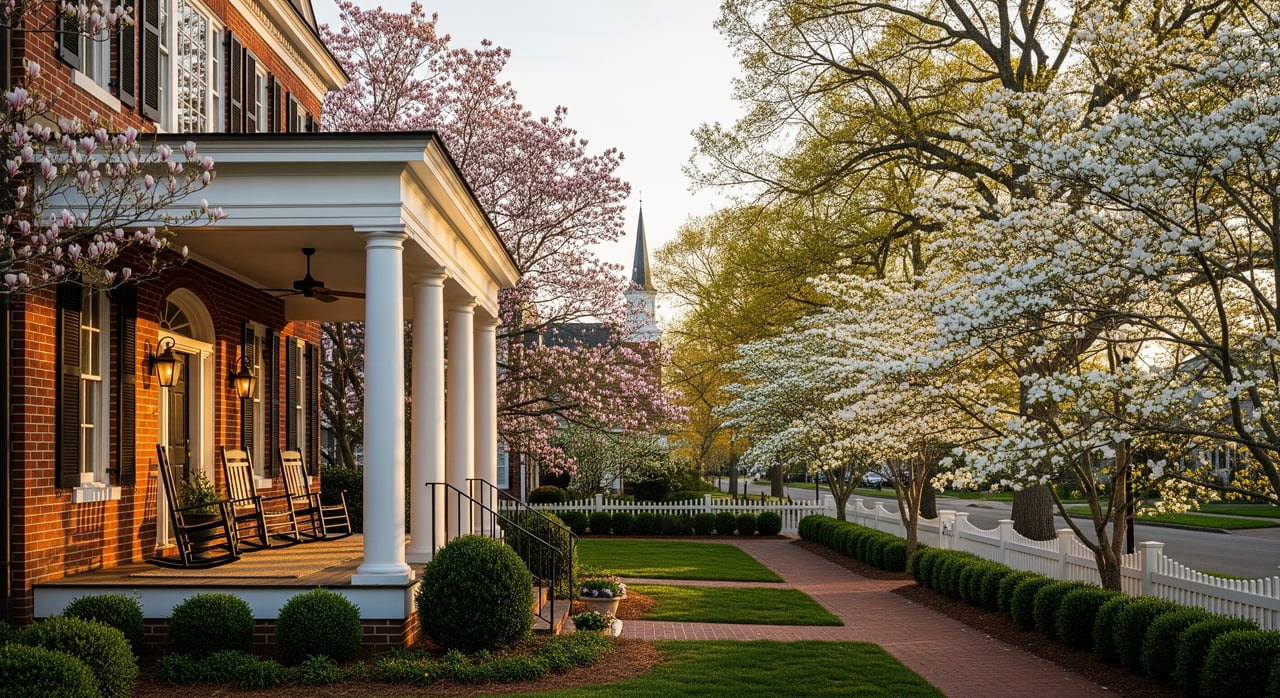
Thinking about Wake Forest but not sure what day-to-day life really feels like? You are not alone. Many buyers want the small-town charm without giving up big-city access. In this guide, you will get a clear picture of the community vibe, local routines, and practical details so you can decide if Wake Forest is a fit for your lifestyle. Let’s dive in.
The Wake Forest vibe
Wake Forest sits in northern Wake County, just north of Raleigh, and has grown quickly to about 47,600 residents as of 2020. You will notice a friendly, suburban rhythm with a walkable historic downtown at the core. Around it are established neighborhoods and newer master-planned communities with sidewalks, yards, and community amenities.
The social calendar leans active and community oriented. Expect weekend farmers markets, town festivals, and neighborhood gatherings. Many residents commute to Raleigh or elsewhere in the Triangle during the week, then lean into parks, local coffee shops, and youth sports on evenings and weekends.
Everyday essentials
Downtown favorites
Historic Downtown Wake Forest offers independent restaurants, coffee spots, bakeries, and local shops. The area is great for a Saturday stroll, a casual lunch, or an evening ice cream run. Seasonal events add extra energy and bring residents together in a central, walkable setting.
For current event schedules and town programs, check the Town of Wake Forest. You will find a steady lineup of community activities for all ages.
Shopping and services
You will find grocery stores, national retailers, fitness centers, and everyday services along US-1, NC-98, and other main corridors. Most errands are a short drive, which makes weekly routines simple. For bigger entertainment options like large concerts, major museums, or pro sports, you will likely head into Raleigh.
Healthcare and emergency services
Primary care and specialty clinics serve the area, with larger hospitals and specialty centers accessible in Raleigh and the broader Triangle. Police, fire, and emergency services are coordinated locally and at the county level. For county resources and contacts, visit Wake County.
Parks and outdoor life
Wake Forest invests in parks, trails, and recreation. You will find playgrounds, sports fields, and walking paths through town facilities that host leagues, classes, and camps. It is easy to build a regular routine around youth sports, adult fitness, or casual meetups at local parks.
Falls Lake is a major draw nearby, offering hiking, boating, and fishing within a short drive. Whether you prefer a quick walk after work or a full day on the water, outdoor options are close at hand.
Schools and learning
Public schools serving Wake Forest are part of the Wake County Public School System. To view attendance maps, calendars, and program details, visit WCPSS. School performance varies by campus, so it helps to review neutral data and talk to schools directly. For state-reported academic data, explore the NC School Report Cards.
If schools are central to your move, verify current zoning before you make an offer. Enrollment boundaries and program availability can change over time.
Getting around and commute
Wake Forest is about 15 to 20 miles from downtown Raleigh, depending on where you start. Common routes include US-1, NC-98, and connecting secondary roads. Typical drive times to central Raleigh or major job centers are often 20 to 40 minutes, with peak traffic adding time.
Public transit is more limited than in central Raleigh. Regional routes and park-and-ride options may be available through GoTriangle, but most residents rely on a personal vehicle. Walking and biking work well near downtown and inside select neighborhoods with sidewalks or trails.
Housing snapshot
You will find a wide mix of homes in Wake Forest. Near downtown, older cottages, bungalows, and mid-century styles sit on tree-lined streets. In suburban areas, many homes were built from the 1990s onward, often with open floor plans, 3 to 5 bedrooms, and community amenities like pools or clubhouses.
Townhomes and small-lot options offer lower maintenance living, and new construction is active in and around town. Prices vary by location, home age and size, and community features. Entry-level choices often include townhomes or smaller single-family homes. Mid-market options include typical single-family homes in established subdivisions. Higher-end choices include newer builds, larger lots, or custom homes.
Before you buy, consider a few local details. Many subdivisions have HOAs with dues and lifestyle rules, so you will want to understand those up front. Water and sewer service boundaries can vary by neighborhood, which can affect monthly costs and maintenance. It is also smart to check local flood resources and stormwater information for specific properties.
Cost of living, taxes, and utilities
Wake Forest’s overall cost of living is competitive compared with other Raleigh-area suburbs. Property taxes are assessed at the town and county levels. For information on tax rates and billing, visit Wake County Tax Administration. Utilities and trash services are provided through a mix of town and private providers, so verify who serves a property during your due diligence.
Recurring costs to keep in mind include HOA dues, homeowner’s insurance, and commuting expenses. If you choose private education, tuition will be an additional factor in your monthly budget.
Is Wake Forest a fit for you?
If you want a small-town center, a friendly suburban feel, and a realistic commute into Raleigh, Wake Forest is worth a close look. The daily rhythm rewards you with walkable downtown moments, weekend parks and lake time, and neighbors you will see at community events. The tradeoff is a car-forward lifestyle for most errands and limited public transit.
If that balance lines up with your priorities, you will likely feel at home here. Ready to talk neighborhoods, commute tradeoffs, and a plan that fits your timeline? Reach out to Caroline Numbers to start your search with a concierge plan coordinated from mortgage to closing.
FAQs
What does daily life feel like in Wake Forest?
- A suburban routine with a walkable historic downtown, plenty of parks and family programs, and quick access to Raleigh for bigger events.
How long is the commute to downtown Raleigh from Wake Forest?
- Many residents see 20 to 40 minutes by car depending on the time of day, route, and exact start and end points.
What school options serve Wake Forest?
- Wake County Public School System serves the area, with performance varying by school. Review details at WCPSS and data on the NC School Report Cards.
What kinds of homes are common in Wake Forest?
- Historic cottages and bungalows near downtown, plus many newer single-family homes, townhomes, and active new construction in master-planned communities.
How are taxes and utilities handled in Wake Forest?
- Property taxes are set by the town and county. Utility providers vary by neighborhood. For tax details, visit Wake County.
Is public transit a realistic daily option in Wake Forest?
- Some regional transit options exist through GoTriangle, but most residents rely on a car for daily commuting and errands.